Free tools • Instant results • No signup
Why Using a Credit Card Doesn't Mean You're Living in Debt (And What to Do If You Are)
Using a credit card doesn't mean you're in debt. Learn how smart card users pay zero interest — and what to do if you're carrying a balance.
CREDIT CARD STRATEGIES
Rachel
4/18/20263 min read

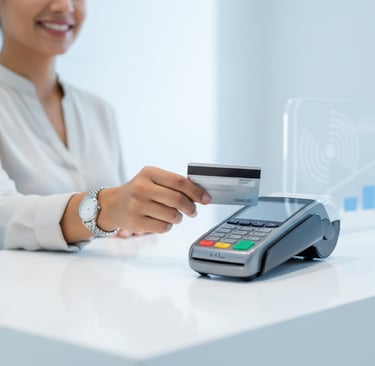
If you've ever paid for something with a credit card and felt someone's judgemental eyes on you, you're not alone. There's a surprisingly common assumption that if you swipe a card, you must be struggling financially — drowning in debt, living beyond your means, or unable to afford what you're buying.
This couldn't be further from the truth. And it's time we talked about it.
Where Does This Assumption Come From?
The credit card = debt myth has some roots in reality. Credit card debt in the US has reached record levels, with millions of households genuinely struggling with balances they can't pay off. Headlines about consumer debt are everywhere. So people start connecting the dots — credit card equals debt, debt equals financial trouble.
But there's a big difference between using a credit card and being in debt because of one.
How Smart Credit Card Users Actually Operate
Here's what many people don't realise: a large number of people use credit cards and pay off their full balance every single month. They pay zero interest. Not a cent.
So why do they bother? Because the benefits are real:
Rewards and cashback — Every dollar spent earns points, miles, or cash back. Over a year, this can add up to hundreds of dollars.
Purchase protection — Credit cards often offer buyer protection, extended warranties, and fraud coverage that cash simply can't match.
Travel perks — Free lounge access, travel insurance, and no foreign transaction fees are common on travel cards.
Building a credit history — Consistent, on-time payments build a strong credit score — which matters when you're applying for a mortgage or car loan.
Float and flexibility — You buy now, the statement closes, and you have up to 30 days before you need to pay. That's interest-free short-term flexibility.
For these people, a credit card is a tool — not a crutch.
The Real Problem Isn't the Card. It's the Balance.
Here's where things get serious. The tool becomes a trap the moment you start carrying a balance — paying only the minimum each month and letting interest accumulate.
Credit card interest rates are typically among the highest of any loan product — often 20% per year or more. The damage compounds quickly.
Let's say you have a $3,000 balance at 20% interest and you're only making the minimum payment each month. You might think you're keeping things under control. But the reality is sobering: it could take you over a decade to pay off that balance, and you could pay more in interest than you originally spent.
Use our Credit Card Minimum Payment Calculator to see exactly how long minimum payments will take — and how much they'll truly cost you.
Or if you want to take action and set a goal, try our Credit Card Payoff Calculator — enter your balance, interest rate, and what you can afford to pay each month, and you'll instantly see your payoff date and total interest cost.
The Difference Between These Two People
Person A uses a credit card for groceries, fuel, and online shopping every month. They pay the full statement balance on the due date. They earn $400 in cashback annually and have never paid a cent of interest. Their credit score is excellent.
Person B uses the same card but only pays the minimum each month. Their $4,000 balance has been sitting there for two years, quietly growing. They've paid over $1,500 in interest already — and the balance has barely moved.
Same card. Completely different financial outcome.
What to Do If You're Carrying a Balance Right Now
First — no shame. Life happens. Medical bills, job changes, a rough patch — there are a hundred reasons someone ends up with credit card debt. What matters is what you do next.
Here are three practical steps:
Know your numbers. Run your balance through the Credit Card Payoff Calculator to see exactly where you stand and what it will take to get out.
Stop adding to the balance. While you're paying off debt, switch to a debit card or cash for new purchases so you're not digging the hole deeper.
Pay more than the minimum — even a little. Adding just $50 extra per month to your payment can cut months or even years off your payoff timeline, and save significant interest.
The Bottom Line
The next time someone raises an eyebrow at you for paying with a credit card, remember: the card itself is neutral. It's how you use it that defines your financial health.
If you're using it strategically and paying in full — you're doing it right.
If you're carrying a balance — now you know the real cost, and the tools to fix it are right here.
👉 Calculate your payoff timeline → 👉 See what minimum payments are really costing you →
ClearEveryday builds free, no-signup financial calculators to help you understand your money and make smarter decisions every day.
ClearEveryday
Free financial calculators and practical money tools for everyday decisions.
Plan your budget, manage debt, build savings, explore investing and understand your money — with simple tools and no sign-up required.
Link
© ClearEveryday 2026. All rights reserved.
About
“For informational purposes only — not financial advice.”