Free tools • Instant results • No signup

Estimate your fuel costs before you travel. Our Petrol Cost Calculator uses your trip distance, fuel efficiency, and petrol price to estimate how much your journey may cost.
Petrol Cost Calculator
How to Use This Petrol Cost Calculator
Enter your trip distance, fuel efficiency, fuel price, and trip type. Choose between kilometres with L/100km or miles with MPG, then click Calculate Trip Cost.
The calculator will estimate your total distance, fuel used, trip cost, and cost per kilometre or mile.
Disclaimer: This calculator provides a general estimate only. Actual fuel costs may vary depending on your vehicle, traffic, driving conditions, fuel prices, vehicle load, and driving style. Use your vehicle’s actual fuel efficiency and current local fuel price for a more accurate estimate.


Real-Time Calculations
No Signup Required
What is a Petrol Cost Calculator?
A Petrol Cost Calculator helps you estimate how much fuel your journey may use and how much it could cost based on your distance, fuel efficiency, and current fuel price.
It can be useful for planning road trips, daily commutes, regular travel, or one-way and return journeys. You can also compare different distances, fuel prices, or vehicles to see how they may affect your overall travel costs.

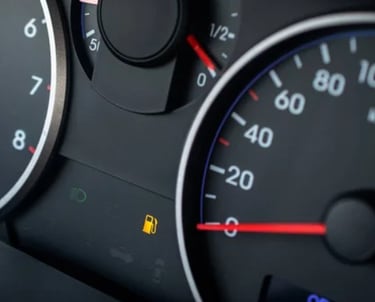
Understanding Petrol Prices
Petrol prices can vary significantly depending on your location, fuel type, taxes, market conditions, and local competition. Understanding these differences can help you make a more realistic fuel-cost estimate.
What affects petrol prices
Fuel prices can be influenced by crude oil prices, refining and transportation costs, taxes, exchange rates, and retailer margins. These factors can cause prices to change over time and vary between locations.
Prices vary by location
Petrol prices can differ between cities, regional areas, and individual fuel stations. If you’re planning a longer journey, check current prices along your route and enter a realistic price into the calculator.
Regular vs premium fuel
Different vehicles require different fuel grades. Premium fuel generally costs more than regular fuel, so use the price of the fuel recommended for your vehicle when estimating your trip cost.
💡 Tip: For the most accurate estimate, use the current fuel price near you rather than relying on an old average price.
Understanding Your Vehicle's Fuel Efficiency
Your vehicle's fuel efficiency is one of the key inputs in a petrol cost calculator. Using a realistic figure helps you get a more accurate estimate of how much fuel your journey may use.
Official vs real-world fuel consumption
The fuel-efficiency figure listed by your vehicle manufacturer is usually measured under standard testing conditions. Your actual fuel use may be different because of traffic, driving style, weather, vehicle load, tyre pressure, road conditions, and other factors.
How to calculate your actual fuel consumption
Fill your tank and record your odometer reading. At your next fill-up, record the amount of fuel added and the distance travelled. If you use litres per 100 kilometres, you can calculate it using:
Fuel used ÷ Distance travelled × 100 = L/100km
For example, if you use 40 litres over 500 km:
40 ÷ 500 × 100 = 8 L/100km
Typical fuel efficiency varies by vehicle
Smaller and hybrid vehicles generally use less fuel, while larger SUVs, 4WDs, performance vehicles, and heavily loaded vehicles may use more. For the best estimate, check your vehicle's specifications or calculate your actual consumption over several fill-ups.
City vs highway driving
Stop-and-start city driving can use more fuel than steady highway driving. If your journey includes both, use a fuel-efficiency figure that reflects your normal driving conditions.
💡 Tip: Your own recent fuel consumption is usually more useful for trip planning than relying only on a manufacturer's published figure.
Tips to Reduce Your Fuel Costs
Small changes to how you drive, maintain your vehicle, and buy fuel can help reduce your overall fuel costs. Here are some practical ways to spend less on petrol.
Compare fuel prices before filling up
Fuel prices can vary between stations and locations. Check local fuel-price websites or apps before filling your tank, especially when prices are changing quickly.
Avoid filling up based only on convenience
If possible, compare nearby stations before buying fuel. Even a small difference in the price per litre can add up over multiple fill-ups.
Use fuel discounts wisely
Loyalty programs, supermarket rewards, memberships, or eligible payment offers may provide fuel discounts. Compare the final price rather than choosing a station simply because it offers rewards.
Maintain your vehicle regularly
Follow your vehicle manufacturer's recommended servicing schedule and keep your tyres at the recommended pressure. Proper maintenance can help your vehicle operate efficiently.
Reduce unnecessary weight and drag
Remove heavy items you do not need and take off unused roof racks or roof boxes when practical. Extra weight and aerodynamic drag can increase fuel consumption.
Adjust your driving style
Smooth acceleration, anticipating traffic, avoiding unnecessary hard braking, and maintaining a steady speed where appropriate can help reduce fuel use.
Plan your trips
Combining several errands into one journey can reduce unnecessary driving. Planning your route beforehand may also help you avoid extra kilometres and heavy traffic.
Consider your total transport costs
Petrol is only one part of the cost of owning a vehicle. Insurance, maintenance, tyres, registration or licensing fees, financing, parking, and depreciation can also affect your overall transport budget.
💡 Quick tip: Use the Petrol Cost Calculator before longer journeys to compare different distances, fuel prices, and vehicle efficiency figures and see how they affect your estimated trip cost.
Estimated Petrol Cost Example
Here’s a simple example showing how petrol costs can be estimated using distance, fuel efficiency, and fuel price.
Example trip
Distance: 500 km one way
Fuel efficiency: 8 L/100km
Petrol price: $1.80 per litre
Estimated fuel used: 40 litres
Estimated one-way cost: $72
Estimated return cost: $144
How the Estimate Is Calculated
For a 500 km journey using 8 L/100km:
500 ÷ 100 × 8 = 40 litres
At $1.80 per litre:
40 × $1.80 = $72
For a return journey of 1,000 km:
80 litres × $1.80 = $144
Your Actual Cost May Be Different
Your petrol cost will depend on your vehicle's actual fuel efficiency, local fuel prices, traffic, driving conditions, route, and distance travelled.
💡 Quick tip: Enter your own distance, fuel efficiency, and current petrol price into the Petrol Cost Calculator above for a more personalised estimate.
Frequently asked questions
What is a petrol cost calculator?
A petrol cost calculator estimates how much fuel a journey may use and how much that fuel may cost. It uses your trip distance, vehicle fuel efficiency, and petrol price to calculate an estimated trip cost.
How do I calculate the petrol cost of a trip?
Enter your trip distance, your vehicle's fuel efficiency, and the current petrol price per litre. The calculator estimates the amount of fuel required and the total petrol cost for your journey.
How is fuel cost calculated?
If your vehicle uses litres per 100 kilometres, the calculation is:
Fuel needed = Distance ÷ 100 × Fuel efficiency
Then:
Petrol cost = Fuel needed × Price per litre
For example, a 500 km trip at 8 L/100km requires approximately 40 litres of fuel.
How much petrol will I need for my trip?
The amount depends on the distance travelled and your vehicle's fuel efficiency. A vehicle using 8 L/100km would use approximately 40 litres over a 500 km journey.
Can I calculate the cost of a return trip?
Yes. Select the return-trip option and the calculator will account for travelling the distance in both directions when estimating your total fuel use and cost.
What does L/100km mean?
L/100km means litres of fuel used to travel 100 kilometres. A lower number generally indicates better fuel efficiency. For example, a vehicle rated at 6 L/100km uses less fuel than one rated at 10 L/100km over the same distance.
Why might my actual petrol cost be different?
Actual fuel costs can vary because of traffic, driving style, weather, road conditions, vehicle load, tyre pressure, route changes, and changes in petrol prices.
Should I use my car's official or actual fuel efficiency?
Your recent real-world fuel consumption can provide a more personalised estimate. Manufacturer figures are useful as a starting point, but actual consumption may vary depending on how and where you drive.
How can I reduce my petrol costs?
You may be able to reduce fuel costs by comparing local petrol prices, maintaining correct tyre pressure, keeping your vehicle properly serviced, removing unnecessary weight, planning efficient routes, and driving smoothly.
Is this petrol cost calculator free?
Yes. The Petrol Cost Calculator is free to use and can help you estimate fuel costs for commuting, road trips, holidays, and other journeys.
Plan Your Trip Costs Before You Leave
Whether you're planning a road trip, budgeting for your daily commute, or comparing driving costs, the Petrol Cost Calculator can help you estimate your fuel expenses before you travel.
Enter your distance, fuel efficiency, and current petrol price to see your estimated fuel use and trip cost.
For a broader look at your finances, explore our other free tools:
💡 Plan ahead: Even small differences in fuel prices, distance, and fuel efficiency can change the total cost of your journey.
Smart Financial Calculators
Tools designed to help you make clear financial decisions daily.
Personal Loans
Estimate repayments, interest, and total costs before you borrow.
Track your balance, reduce interest, and pay off your debt faster.
Credit Cards




Car Loans
Calculate your monthly car payments and plan your budget with confidence.


ClearEveryday
Free financial calculators and practical money tools for everyday decisions.
Plan your budget, manage debt, build savings, explore investing and understand your money — with simple tools and no sign-up required.
Link
© ClearEveryday 2026. All rights reserved.
About
“For informational purposes only — not financial advice.”