Free tools • Instant results • No signup

Loan vs Credit Card: What Costs More? (2026 Guide)
Loan vs credit card: which costs more? Learn the key differences, interest rates, and which option is cheaper in this simple 2026 guide.
DEBT-FREE GUIDES
Rachel
4/6/20262 min read
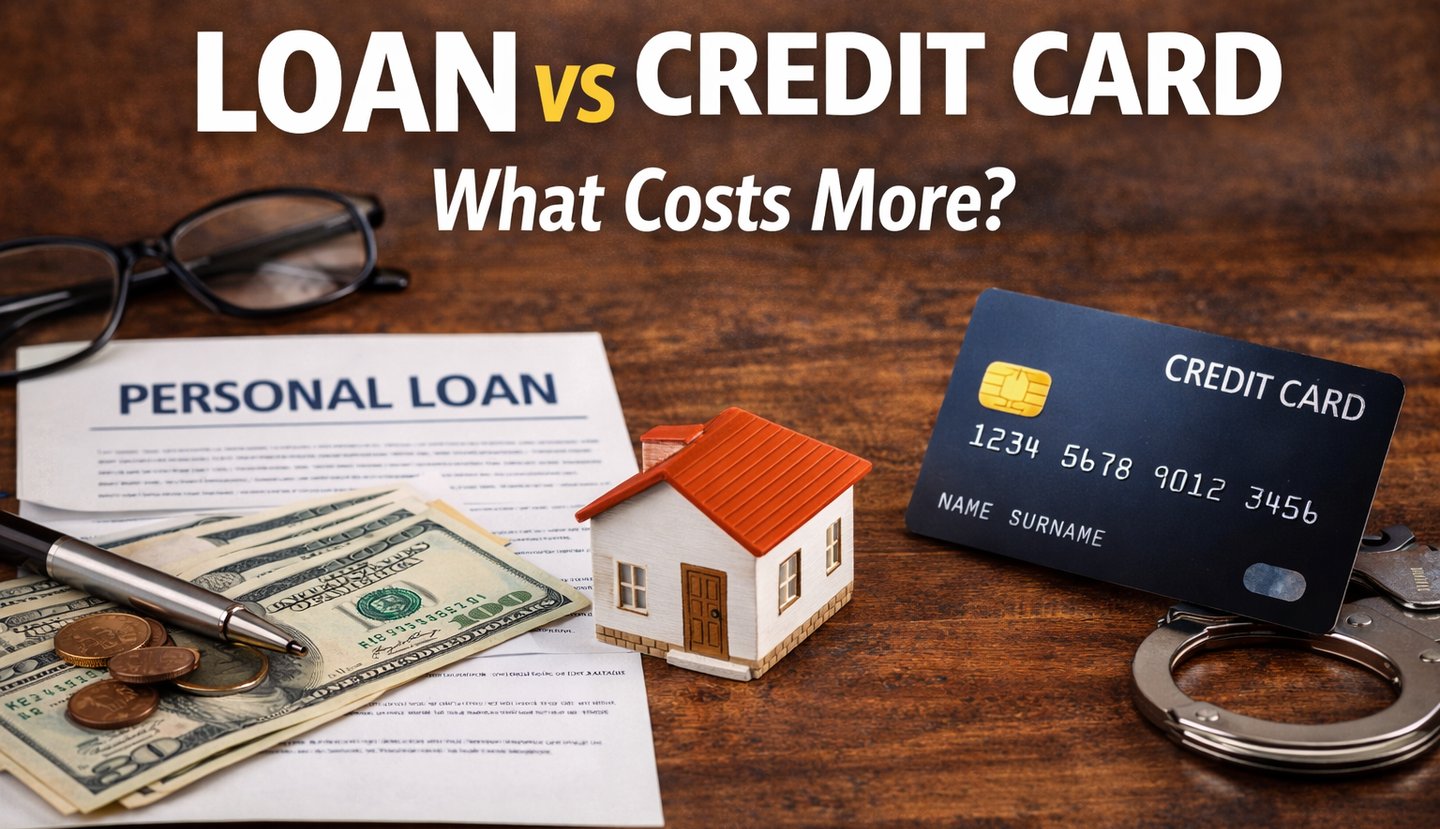
When you need to borrow money, the two most common options are loans and credit cards. But which one actually costs more?
The answer depends on interest rates, fees, and how you repay the money. This guide breaks it down in a simple way so you can make the best financial decision.
What Is a Loan?
A loan is a fixed amount of money you borrow and repay over time, usually with set monthly payments.
Common types:
Payday loans
Loans typically have:
Fixed interest rates
Set repayment schedules
Lower interest than credit cards (in most cases)
What Is a Credit Card?
A credit card allows you to borrow money up to a limit and repay it over time.
Key features:
Revolving balance (you can keep borrowing)
Minimum monthly payments
Higher interest rates
If you don’t pay the full balance, interest is charged on the remaining amount.
Interest Rates: The Biggest Cost Factor
This is where the biggest difference comes in.
Loans:
Usually 5% – 15% interest (depending on your credit)
Credit Cards:
Often 15% – 25%+ interest
👉 This means credit cards can cost 2–3 times more in interest.
Example Comparison
Let’s say you borrow $1,000:
Using a Loan:
Interest rate: 10%
Total paid: around $1,050 – $1,100
Using a Credit Card:
Interest rate: 20%
Paying minimum only → could pay $1,200 – $1,500+
💡 The longer you take, the more expensive the credit card becomes.
Fees to Watch Out For
Loan Fees:
Origination fees
Late payment fees
Credit Card Fees:
Annual fees
Late fees
Cash advance fees (very high!)
Credit cards usually have more hidden fees.
Flexibility vs Discipline
Loans:
✔ Fixed payments
✔ Clear end date
❌ Less flexible
Credit Cards:
✔ Flexible repayments
✔ Easy access to money
❌ Easy to overspend
Credit cards can become expensive if not managed carefully.
When a Loan Is Cheaper
A loan is usually the better option when:
You need a large amount
You want predictable payments
You have a good interest rate
When a Credit Card Can Be Cheaper
A credit card may cost less if:
You pay the full balance every month (no interest)
You use 0% promotional offers
You only borrow small amounts short-term
Common Mistakes to Avoid
Paying only the minimum on credit cards
Using credit cards for long-term debt
Taking high-interest payday loans
Ignoring fees and terms
Why This Comparison Matters
Understanding the real cost helps you:
Avoid unnecessary interest
Choose the right borrowing option
Stay in control of your finances
Final Verdict
👉 Loans are usually cheaper than credit cards due to lower interest rates and structured repayments.
However, credit cards can be useful if used correctly and paid off in full each month.
The key is not just what you choose—but how you manage it.
FAQ
Is a loan always cheaper than a credit card?
Not always, but in most cases loans have lower interest rates, making them cheaper.
Why are credit cards more expensive?
Because they usually have higher interest rates and allow ongoing borrowing.
Can I use a credit card without paying interest?
Yes—if you pay your full balance before the due date each month.
ClearEveryday
Free financial calculators and practical money tools for everyday decisions.
Plan your budget, manage debt, build savings, explore investing and understand your money — with simple tools and no sign-up required.
Link
© ClearEveryday 2026. All rights reserved.
About
“For informational purposes only — not financial advice.”