Free tools • Instant results • No signup

Stop Living Paycheck to Paycheck: 10 Practical Changes That Actually Help
Learn 10 realistic ways to break the paycheck-to-paycheck cycle. Discover simple budgeting habits that help you save more and reduce financial stress.
Rachel
7/27/20264 min read
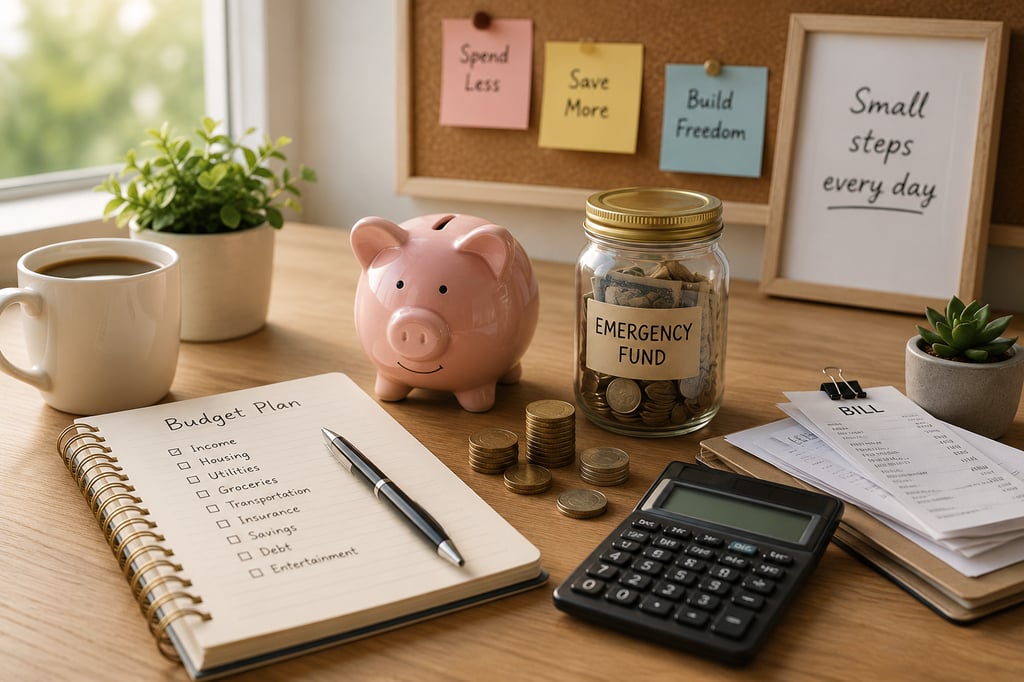

Living paycheck to paycheck can feel exhausting. You work hard, your pay arrives, the bills get paid, and before you know it there's very little left until your next payday.
The good news is that breaking the cycle doesn't usually require earning twice as much money. In many cases, it's about making small, consistent improvements that gradually strengthen your finances over time.
Here are ten practical changes that can make a real difference.
1. Know Exactly Where Your Money Goes
Many people underestimate how much they spend each month.
Take a few minutes to review your bank statements and categorise your spending.
Common categories include:
Housing
Groceries
Utilities
Transport
Insurance
Entertainment
Subscriptions
Dining out
Seeing your spending clearly is often the first step towards improving it.
4. Reduce Automatic Spending
Automatic payments are convenient—but they're also easy to forget.
Review every recurring payment.
Ask yourself:
Do I still use this service?
Is there a cheaper option?
Can I pause it for now?
Cancelling just a few unused subscriptions can save hundreds over a year.
5. Plan Meals Before Shopping
One of the easiest ways to reduce grocery spending is to shop with a plan.
Before heading to the supermarket:
Check what you already have
Plan meals for the week
Write a shopping list
Avoid shopping while hungry
Small changes often reduce food waste as well.
6. Pay Yourself First
Instead of saving whatever remains at the end of the month, move a small amount into savings as soon as you're paid.
Even a modest automatic transfer helps build consistency.
The amount matters less than the habit.
7. Tackle High-Interest Debt
Credit cards and high-interest loans can keep you trapped in the paycheck-to-paycheck cycle.
Focus on paying more than the minimum whenever possible.
Many people choose either:
The Debt Snowball Method (smallest balance first)
The Debt Avalanche Method (highest interest first)
Both approaches work—the best one is the one you'll stick with.
8. Delay Impulse Purchases
Before buying something you weren't planning to purchase, give yourself time.
Try waiting 24 hours.
For larger purchases, wait a few days.
You'll often discover that the urge disappears.


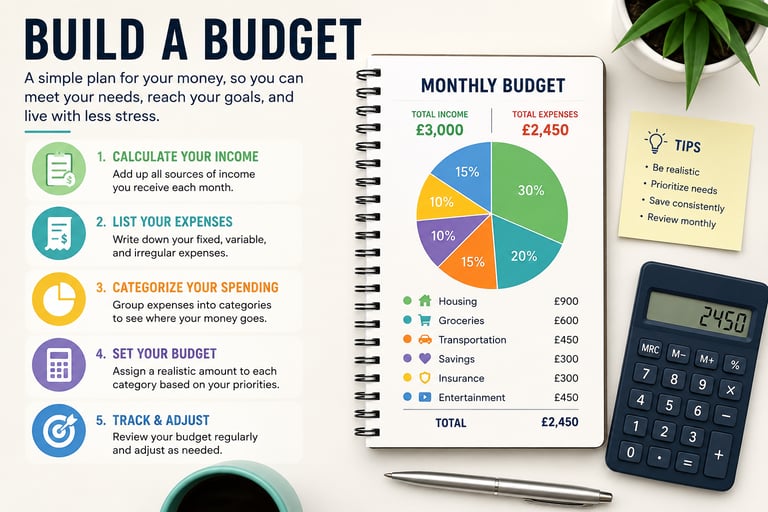
2. Create a Budget You Can Actually Follow
A budget shouldn't make life miserable.
Instead, create a realistic plan that includes:
Essential bills
Savings
Debt repayments
Everyday spending
A little room for fun
A budget you stick to is far more valuable than a perfect budget you abandon after a week.
3. Build a Small Emergency Fund
Unexpected expenses happen.
Car repairs, medical costs, appliance breakdowns or emergency travel can quickly derail your finances.
Even saving a small amount each payday builds confidence.
Aim for your first emergency fund milestone, then continue growing it over time.


9. Look for Small Ways to Increase Income
Reducing expenses helps, but increasing income can speed up your progress.
Depending on your situation, you could:
Sell unused items
Freelance online
Start a small side business
Offer local services
Monetise a hobby
Even a small amount of extra income each month can make a noticeable difference over time.
10. Celebrate Small Wins
Financial progress rarely happens overnight.
Maybe you:
Saved your first $100
Paid off a credit card
Stuck to your budget for a month
Built your first emergency fund
These milestones deserve recognition because they help build long-term motivation.


Progress Beats Perfection
Improving your finances isn't about making perfect decisions every day.
It's about making slightly better decisions consistently.
Small actions repeated over months and years often lead to significant financial change.
If you feel stuck today, remember that every budget created, every debt payment made, and every pound saved is a step towards greater financial freedom.
Helpful ClearEveryday Tools
To put these ideas into action, try using:
These tools can help you track progress, stay motivated, and make more informed financial decisions.
Grocery Shopping Tips That Actually Save You Money
Saving money at the supermarket doesn't mean giving up the foods you enjoy. Simple habits like planning your meals, shopping with a list, comparing unit prices, and avoiding impulse purchases can significantly reduce your grocery bill over time.
Watch this quick video for practical grocery shopping tips that can help you spend less while still buying quality food. Small changes each shopping trip can add up to hundreds of pounds in savings over the course of a year.
Looking for more ways to improve your finances? Explore our free budgeting calculators, savings tools, and personal finance guides on ClearEveryday to help you build better money habits every day.

Take the Next Step With Your Numbers
Breaking the paycheck-to-paycheck cycle starts with understanding where your money is going and creating some breathing room for unexpected expenses.
Use our free calculators to plan your monthly budget and estimate an emergency fund goal that works with your situation.
ClearEveryday
Free financial calculators and practical money tools for everyday decisions.
Plan your budget, manage debt, build savings, explore investing and understand your money — with simple tools and no sign-up required.
Link
© ClearEveryday 2026. All rights reserved.
About
“For informational purposes only — not financial advice.”